
Asset Management & Cable Labelling
How Barcodes and QR Codes are Transforming Cable and Equipment Labelling
Discover how smart labelling technologies are helping engineers streamline asset tracking, reduce errors, and access critical information instantly across industrial settings.
In today's industrial environments, effective cable labelling and asset tagging are more than just organisational tools - they're essential components of efficient operations. The integration of barcodes and QR codes into labelling systems has fundamentally changed how engineers manage assets, track inventory, and access critical information across sectors from rail and power generation to data centres and manufacturing.
Whether you're managing thousands of cables in a complex installation or tracking equipment across multiple sites, smart labelling technologies offer a level of functionality that traditional methods simply cannot match. This guide explores how these technologies work, their practical benefits, and how to implement them effectively in your projects.
1. The Basics
What is an Asset Tag and How Does Asset Tagging Work?
An asset tag is a label attached to equipment or infrastructure that provides unique identification. In its simplest form, this might be a printed number or text. However, modern asset tagging typically incorporates machine-readable elements such as barcodes or QR codes that link to comprehensive databases containing detailed information about each item.
Asset tagging works by creating a direct connection between physical equipment and digital records. When an engineer scans an asset tag, they can instantly access technical specifications, maintenance history, installation dates, safety documentation, and much more - all without searching through paper files or separate systems.
Barcodes
Linear (1D) barcodes store data in parallel lines of varying widths. They're widely compatible with existing scanning equipment and ideal for simple identification codes, inventory numbers, and cable IDs where space is limited.
QR Codes
Two-dimensional QR codes can store significantly more data and can be scanned with smartphones. They're perfect for linking to online documentation, maintenance portals, and detailed equipment records.
For cable labelling specifically, these technologies transform ordinary identification into powerful data management tools. Rather than simply marking a cable with its designation, engineers can encode information that provides instant access to circuit diagrams, testing results, and installation specifications.
2. Key Advantages
Why Engineers are Adopting Smart Labelling
The shift from traditional labelling to barcode and QR code systems delivers measurable improvements across multiple areas of project management and ongoing operations.
Efficiency and Accuracy
Manual data entry and visual identification are time-consuming and prone to errors. Scanning a barcode or QR code takes seconds and eliminates transcription mistakes. In large-scale projects involving thousands of cables and pieces of equipment, this translates to significant time savings and reduced rework.
Improved Safety and Compliance
Safety-critical information can be embedded directly into labels. A technician approaching unfamiliar equipment can scan the asset tag to immediately access hazard warnings, isolation procedures, and compliance documentation. This is particularly valuable in sectors like rail and oil and gas where adherence to safety protocols is essential.
Information Accessible via Smart Labels
- Technical specifications and datasheets
- Maintenance schedules and service history
- Safety instructions and hazard warnings
- Compliance certificates and test results
- Installation dates and warranty information
- Emergency contact details
Streamlined Inventory Management
For organisations managing large inventories of equipment, asset tags with barcodes or QR codes enable real-time stock tracking. Whether monitoring tool calibration status, tracking loan equipment, or conducting audits, scanning technology provides accurate, up-to-date information without manual counting or paperwork.
Environmental Benefits
Digital information storage reduces reliance on paper-based records and manuals. Durable labels with scannable codes also last longer than traditional alternatives, reducing replacement frequency and associated waste.
3. Practical Applications
Where Smart Cable Labels and Asset Tags Add Value
Barcode and QR code labelling delivers benefits across virtually every industrial sector, though specific applications vary depending on operational requirements.
Data Centres
Structured cabling with thousands of connections benefits from scannable patch panel labels and cable tags that link directly to network documentation.
Rail Infrastructure
Track-side equipment and rolling stock labelling enables maintenance teams to access safety information and service records instantly.
Power Generation
Critical infrastructure asset tagging supports regulatory compliance and scheduled maintenance across generation and distribution networks.
Maintenance and Repairs
One of the most significant benefits of smart labelling is simplified maintenance management. Equipment labels can store complete service histories, making it easy to verify when work was last performed, what parts were used, and when the next service is due. This visibility extends equipment lifespan through timely interventions and helps organisations meet compliance requirements.
Site Security and Inspections
QR codes are increasingly used for security and inspection workflows. Fixed asset tags at inspection points allow security personnel or engineers to scan and log their visits, complete digital checklists, and raise issues in real time. This provides accountability and creates automatic audit trails.
4. Getting Started
How to Implement Barcode and QR Code Labelling
Successfully implementing smart labelling requires the right combination of software, hardware, and label materials. The process is more straightforward than many organisations expect, particularly when using integrated solutions designed for industrial applications.
-
1
Choose Your Label Software
Professional labelling software should support barcode and QR code generation, spreadsheet integration for bulk data import, and compatibility with your existing asset management systems.
-
2
Select Appropriate Label Materials
Consider the operating environment. Cable labels and asset tags need to withstand UV exposure, chemicals, temperature extremes, or abrasion depending on their location. The printed barcode or QR code must remain scannable throughout the equipment's service life.
-
3
Plan Your Data Structure
Determine what information you need to encode and how it will link to your broader systems. For cable labelling, this might integrate with testing platforms. For asset tagging, connection to maintenance management software is often valuable.
-
4
Deploy and Train
Roll out the system with appropriate training for teams who will be creating labels and those who will be scanning them. Clear procedures ensure consistent implementation across projects and sites.
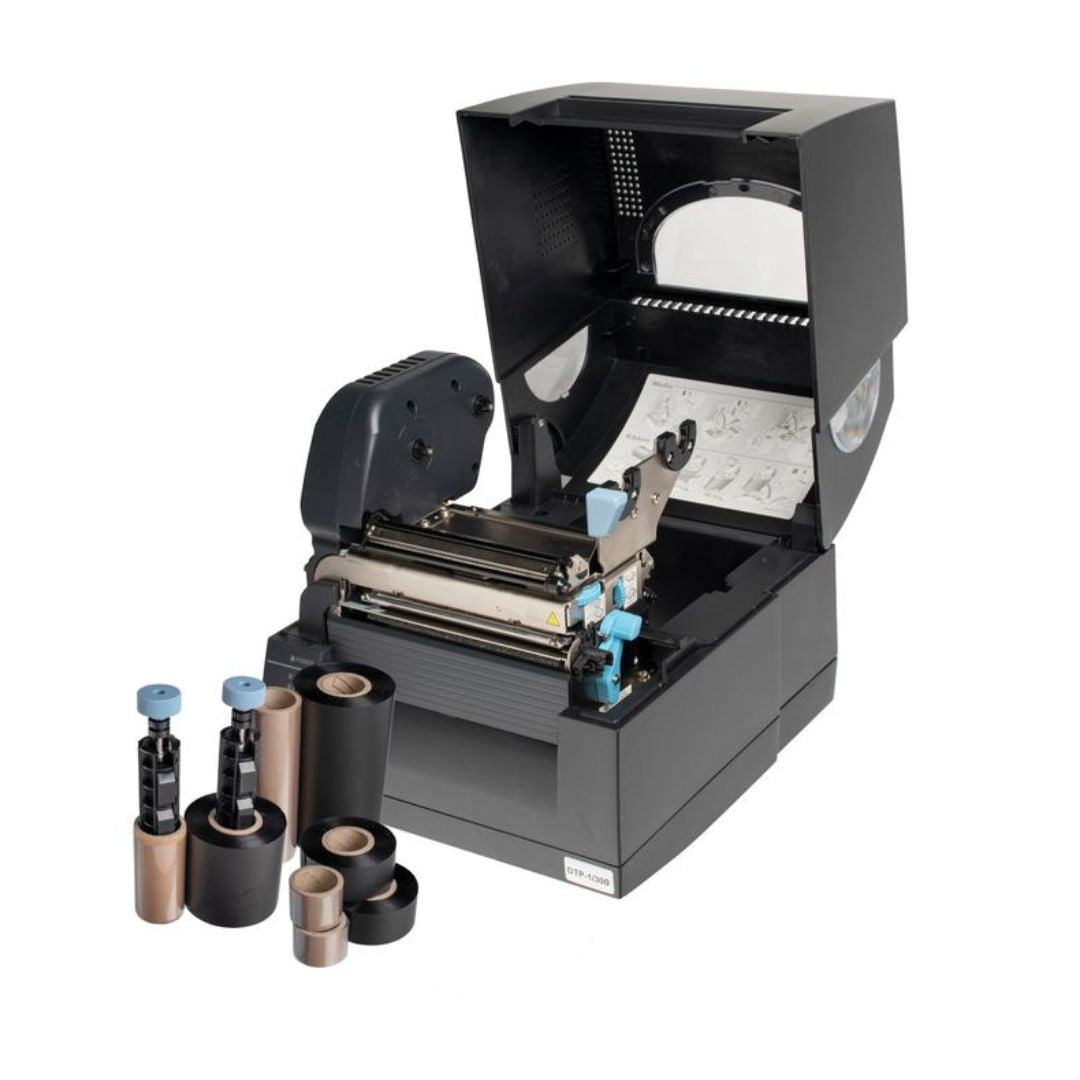
The Fox-in-a-Box® system from Silver Fox® provides an integrated solution for engineers implementing smart labelling. The accompanying Labacus Innovator® software (Professional level) includes full barcode and QR code functionality, allowing you to design labels that connect to your asset management workflows. Combined with durable label materials like Fox-Flo® tie-on cable labels and Prolab® asset labels, this provides everything needed to implement smart labelling across your projects.
5. Real-World Example
Case Study: Deploy Recruitment Group
Deploy Recruitment Group, a specialist company serving the railway, construction, and security sectors, has successfully implemented QR code labelling to solve complex operational challenges. Hear directly from Associate Director Rob Wands about how they're using Silver Fox® solutions.
Asset Management at Scale
Managing a large inventory of equipment - from tools requiring calibration to loan items across multiple sites - proved challenging with traditional spreadsheet-based tracking. Deploy adopted the Fox-in-a-Box® system to produce durable QR-coded asset labels in volume. Staff can now scan equipment to instantly view ownership, loan status, condition, calibration certificates, and service documentation.
Security Site Inspections
For a major construction project in London, Deploy created QR code-based inspection points around the site. Security personnel scan codes with tablets or phones to access digital inspection forms, report issues with photographic evidence, geotag their location, and trigger real-time alerts for urgent problems. This system provides accountability, creates comprehensive audit trails, and accelerates response times.
Railway Level Crossing Information
QR codes attached to fixed assets at railway level crossings in Cambridgeshire provide workers with immediate access to equipment information, operating instructions, and emergency contacts. This application has proven so effective that it's being considered for expansion to other regions and infrastructure types.
Key Results
- Eliminated manual spreadsheet tracking for equipment
- Enabled real-time issue reporting with photographic evidence
- Created automatic audit trails for compliance
- Improved response times to site issues
6. Common Questions
Frequently Asked Questions
How do asset tags work with existing systems?
Modern asset tagging solutions integrate with common platforms through data import and export functionality. Labacus Innovator® Professional supports spreadsheet imports and can connect with systems like Fluke LinkWare™ Live for cable testing workflows. QR codes can link to any web-based asset management portal or maintenance system.
What's the difference between barcodes and QR codes for cable labels?
Traditional barcodes are linear and store limited data, making them suitable for simple identification numbers where scanning equipment is already available. QR codes store more information and can be scanned with standard smartphones, making them ideal for linking to detailed documentation, maintenance portals, or dynamic data that changes over time.
How durable are scannable labels in harsh environments?
Label durability depends on material selection. Industrial-grade labels like Fox-Flo® are UV stable, Low Smoke Zero Halogen (LSZH), and tested to withstand chemicals, oils, and temperature extremes. When properly matched to the application, barcodes and QR codes remain scannable throughout the equipment's operational life.
How do I label assets for tracking purposes?
Start by establishing a consistent identification scheme for your equipment. Use labelling software that supports barcode or QR code generation, print onto appropriate label materials for your environment, and ensure the encoded data links to your asset management records. For equipment identification and cable labelling, the Fox-in-a-Box® system provides an all-in-one solution with thermal printing capability.
Next Steps
Ready to Implement Smart Labelling?
Whether you're looking to streamline asset tracking, improve cable identification, or enhance your maintenance workflows, barcode and QR code labelling offers practical benefits that deliver measurable returns. The technology is mature, the implementation straightforward, and the results proven across industries.
For more guidance on selecting the right approach for your projects, explore our guides on data centre labelling and cable labelling best practices.
See Smart Labelling in Action
Discover how the Fox-in-a-Box® system with Labacus Innovator® Professional can transform your cable and equipment labelling with integrated barcode and QR code functionality.
Contact our expert team at [email protected] or call +44 (0) 1707 37 37 27 to arrange a free demonstration.